"Charlotte Crossing"




Home

 
  Loftin  Setzer    Goble    Johnson


GENEALOGY
LINE


LINKS

History of
NC Counties


CARS

Catawba
Station
Township


Catawba
Elementary

& High School

Cemeteries

The
CIVIL

WAR

Additional

Family
SURNAMES


Genealogy
HUMOR

Loftin
Locations


Loftin
Name
Origins

(Before 1600)

PHOTO
LINKS

Slavery

Twins

WHERE
TO
FIND 'EM
PAGE


________

FAMILY
NAMES

LOFTIN:
 Beatty
 Corzine
 Cranford
 Fisher
 Givens
 Harwell
 Kaiser
 Lanier
 Lomax
 McCorkle
 Rudisill
 Sherrill
 Upright
 Washington
 Work


SETZER:
Aderholdt
Barringer
Bovey
Bushart
Deal
Heavner
Herman
Ikert
Miller
Motz
Rankin
Witherspoon

GOBLE:
Babst/Bobst
Douglas
Faber
Fink
Fulbright
Hefner
Meinhert
Miller
Muller
Pabst/Bobst
Robinson

JOHNSON:
Corzine
Fink
Hamilton
Kaiser
Leslie
Lewis
Moore
Sherrill
Upright
Wilkinson


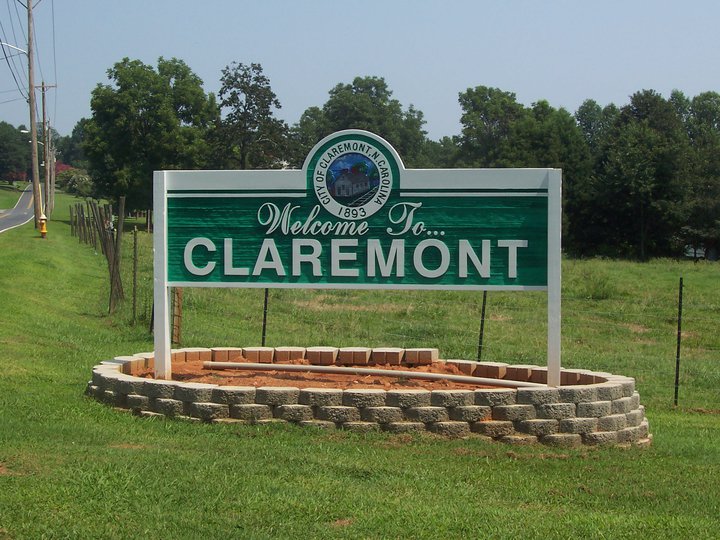
Claremont, North Carolina


When settlers first came into this section of Catawba County in the early 1880's, it was a beautiful wooded area.
 
Five men most commonly named as early settlers were John W. Setzer, as well as Adolphus, Jonas, Marcus and Calvin Sigmon.
 
Adolphus Sigmon, a farmer, was a brother of Henry Lanson Sigmon, the father of Jonas, Marcus and Calvin.
 
In 1884 these three Sigmon brothers built the first grocery store building in Claremont.  This building was completed the day of the historic cyclone, 25 Mar 1884.  Fortunately, the wind did not destroy it.
 
"Charlotte Crossing" was the name the village was first called and because the federal post office did not approve of the similarity of the town of Charlotte, shortened the name to just "Crossing".  Some people called the village "Setzer's Depot".  The Southern Railroad urged the people of the village to give their village a name.

 
Early leaders of the village were J. D. Kelly, a railroad maintenance foreman and owner of Kelly's Boarding House; William A. Hoke, a grocer man and early postmaster; Jonas Sigmon, farmer; and Frank Cannon, the Southern Railroad man.  These men discussed their problem.  To these leaders, Frank Cannon suggested naming the town after a girl he was sparking - Clara Sigmon.
 
The men agreed with the suggestion and took the name of Clare and added the "mont".  The mont was first "mount" because the village from the old Catawba Road side looked high, as up on a mountain.  It was on August 9, 1892 that the town was officially called Claremont.
 
In January, 1893, Claremont became an officially incorporated town.  The first official town board of Claremont in the year of incorporation 1893 were J. D. Kelly, Mayor; William A. Hoke, Jonas T. Sigmon and John W. Setzer, Aldermen.
 
John Setzer had a "Rent a Surry Business".  He would rent the surrys and the drivers for the drummers to be taken to all the rural stores around Claremont.  He also built a grocery store, the Claremont Bottling Works and a flour mill.
 
Alfred Hefner was one of the first blacksmiths.  Another blacksmith was Raymond Wilson.  Outside of Claremont, a blacksmith by the name of Alfred Hollar made a pair of pliers.  Then anyone who had a toothache and wanted a tooth removed, they would come to his shop and he would use his pliers to remove the tooth.
 
Cotton was a major crop and four men built a cotton gin.  They were Knox Carpenter, Lee Connor, Calvin Sigmon and Jim Yount.
 
Colonel Ed was a well known name in town.  He was Ed Little and was a lawyer.  He was also a pioneer in the fruit industry, with his peach trees.  Another early pioneer in the peach industry was Walter Yount.
 
Funeral directors were not known until about 1915.  In the early years, when a loved one died, many people called upon Mrs. Laban (Fannie) Cloninger and Mrs. Charlie (Luanna) Bost to help them.  Caskets were either made by hand or purchased from a larger grocery story or hardware store.  When funeral directors did come, the body was embalmed in the home usually by the light of a kerosene lamp.  Early funeral directors had horse-drawn hearses.
 
Mrs. Laban Cloninger was a lady cobbler.  She had a small table for her various equipment and a metal holder on which to put a shoe.  When people would bring their shoes to be resoled, she would take an awl and punch holes in the new sole and then use a strong thread to sew them together.  She and her widowed sister, Mrs. Daniel (Kate) Carpenter lived together.
 
Molasses was a favorite for cooking and baking.  People looked forward to taking their molasses cane to the molasses mill and getting fresh molasses.  The mill was owned by J. R. Yount and Knox Carpenter.


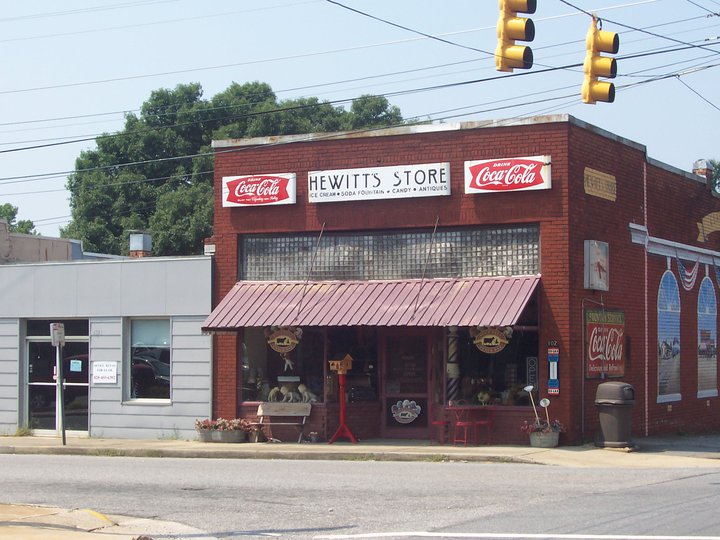
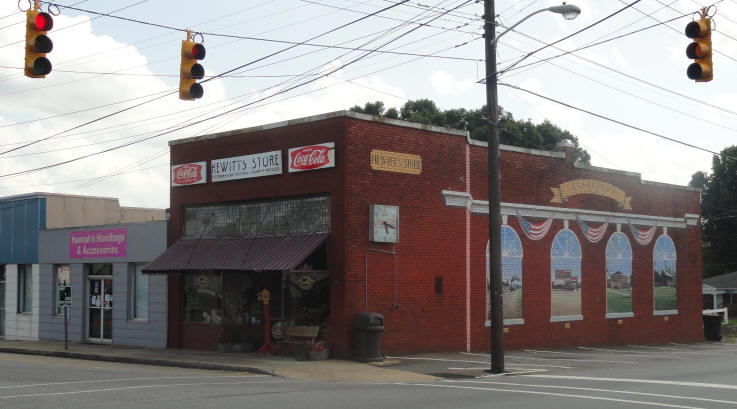
Hewitt's Store 2011


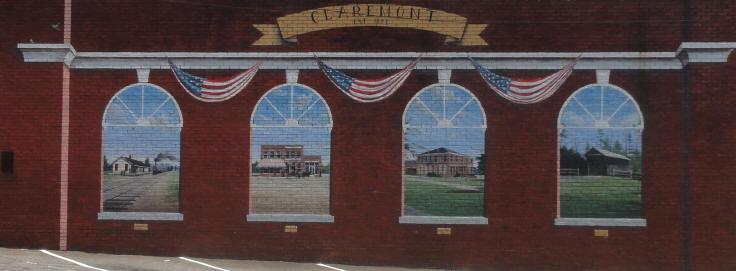
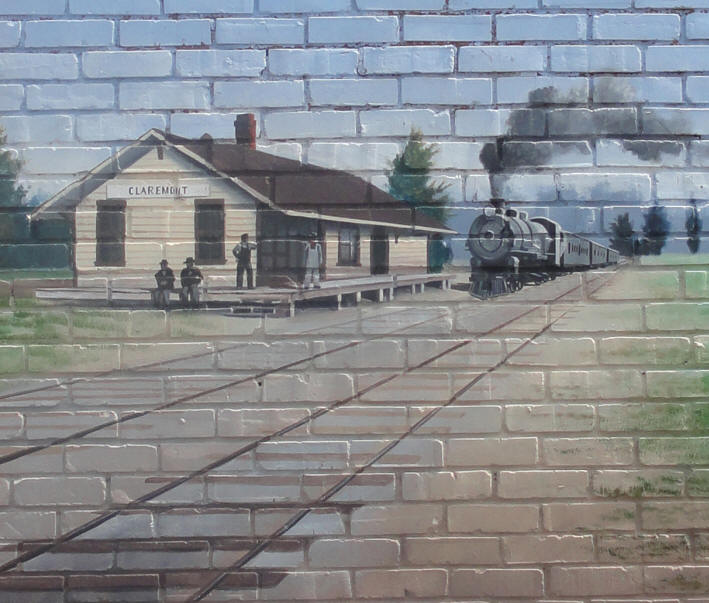
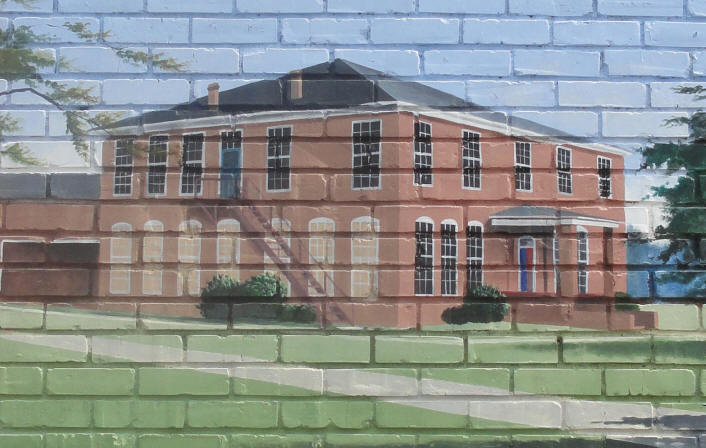
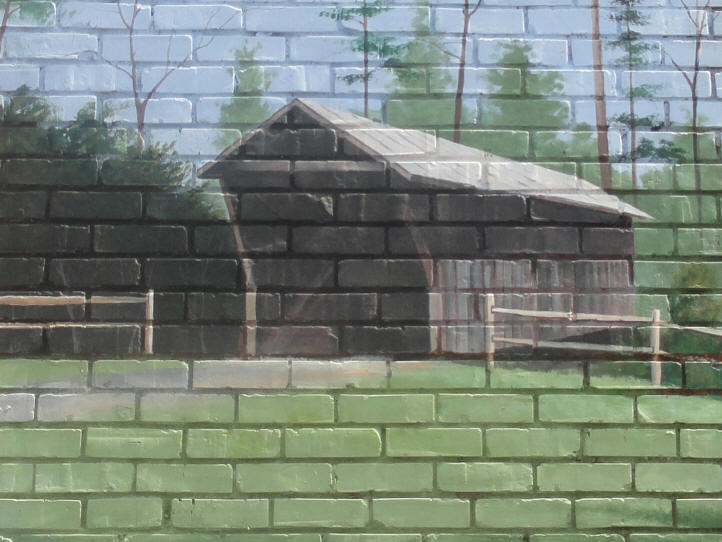
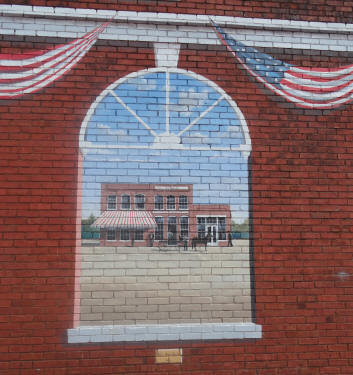
Mural on the outside wall of the building


(Left) Claremont School 1913
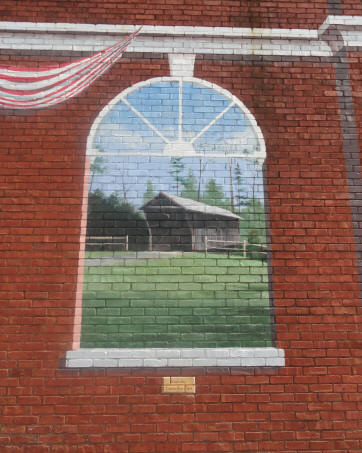
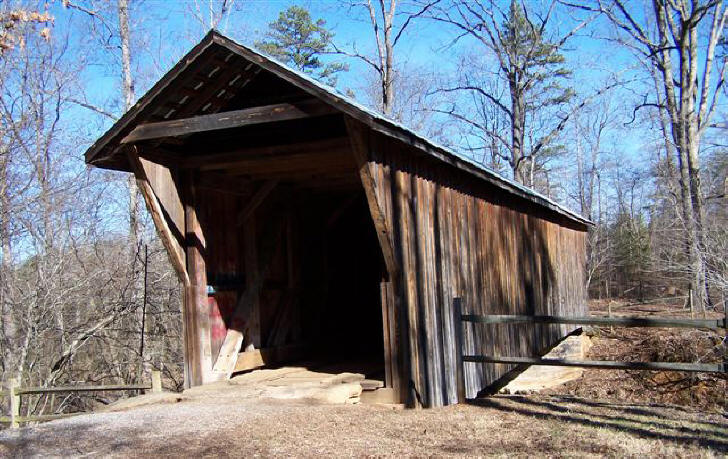
(Right) Bunker Hill Covered Bridge 1895
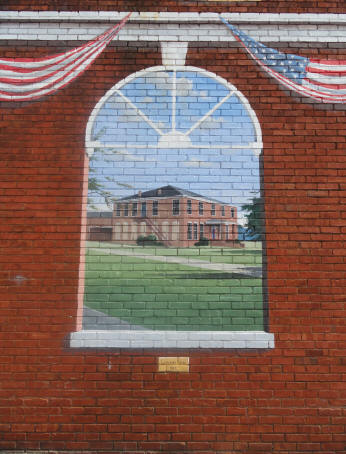
 

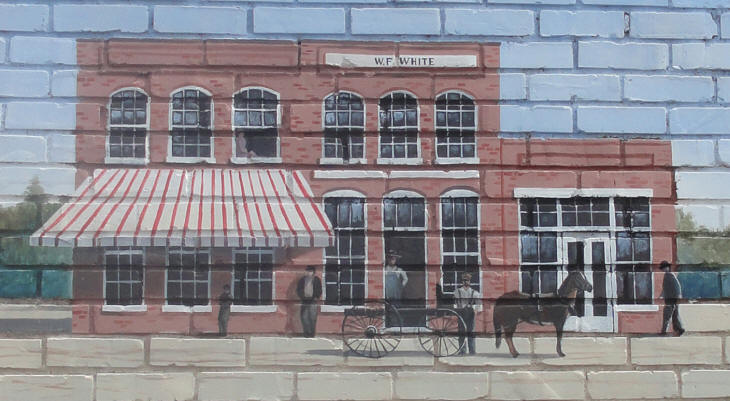
(Left) W. F. White Building 1886
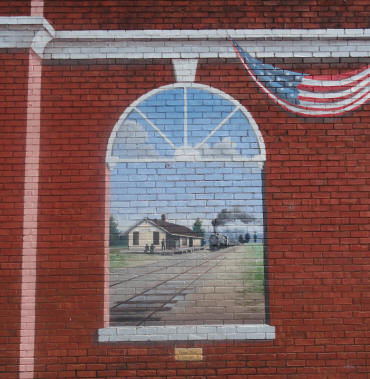
(Right) Claremont Train Depot 1880
 

W. F. White Building 1886


Claremont Train Depot 1880


Claremont School 1913


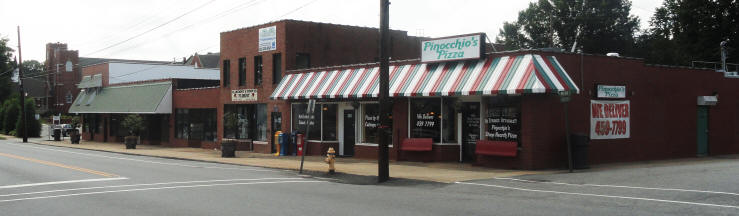
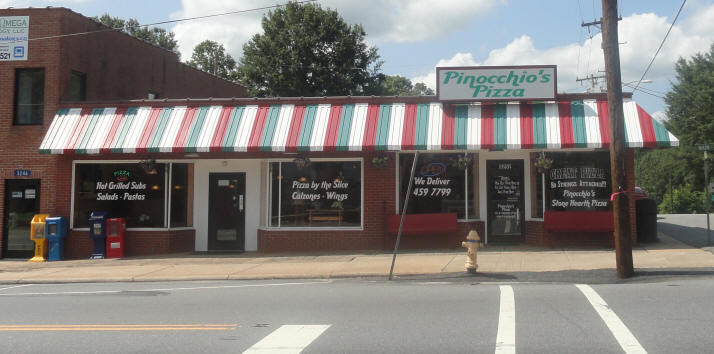
Pinocchio's Pizza 2011


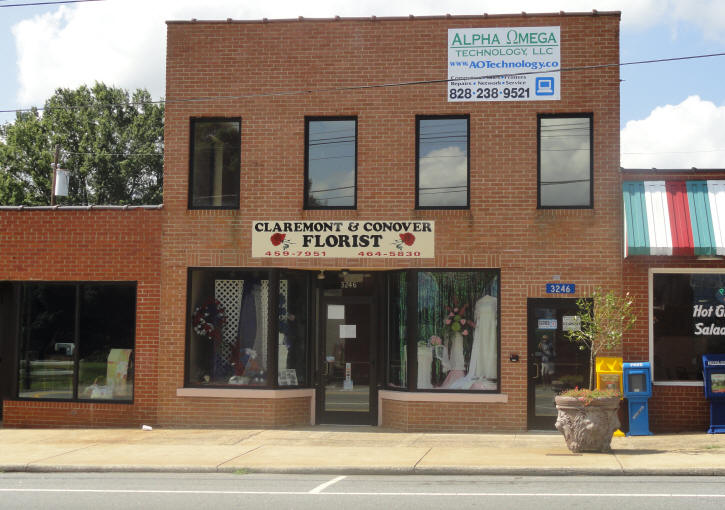
Claremont & Conover Florist 2011


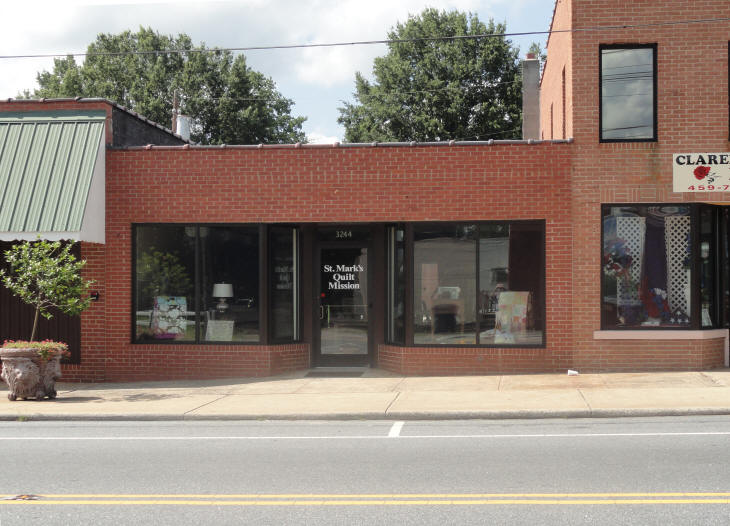
St. Mark's Quilt Mission 2011


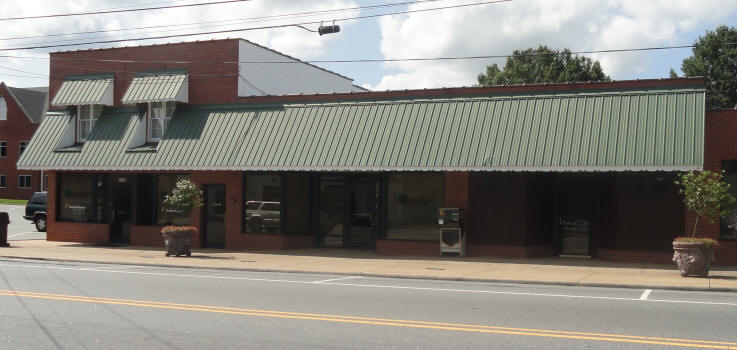
Connor Building 2011


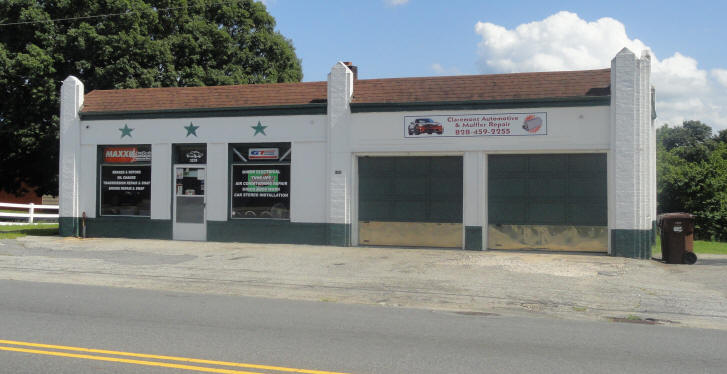
Claremont Service Station
Claremont Automotive & Muffler Repair 2011


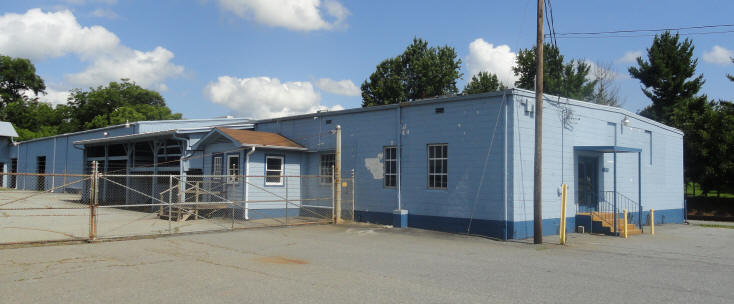
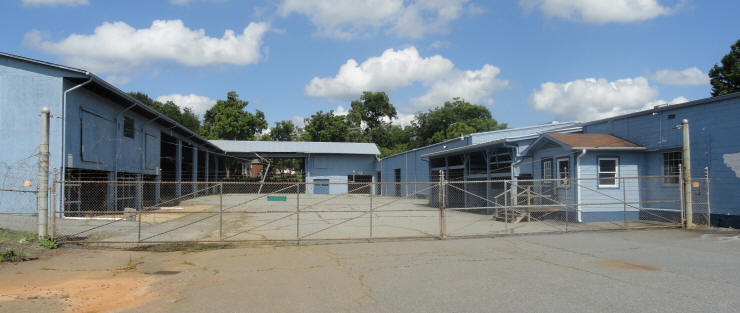
Former buildings used by Claremont Wholesale Building Supply 2011


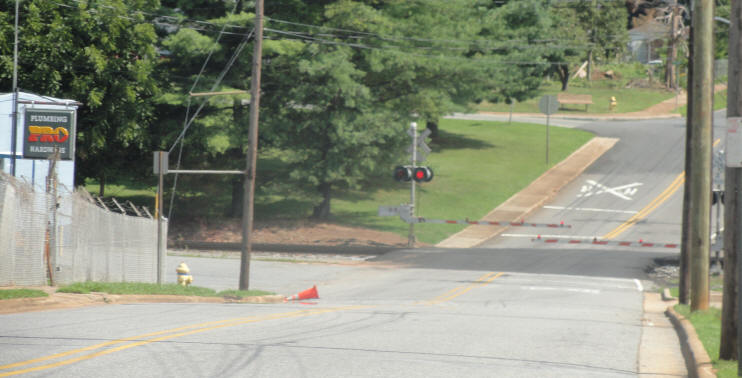
Railroad Crossing


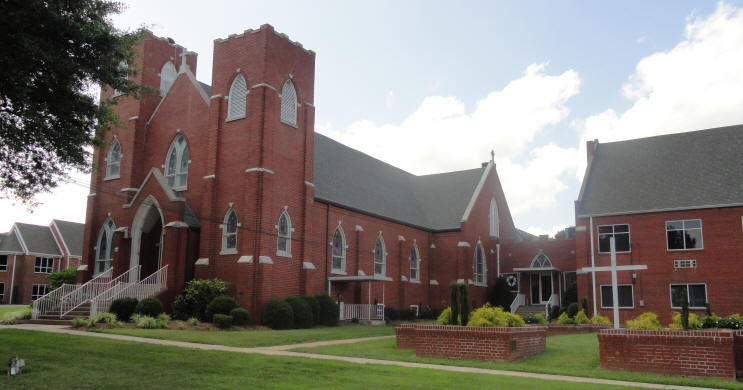
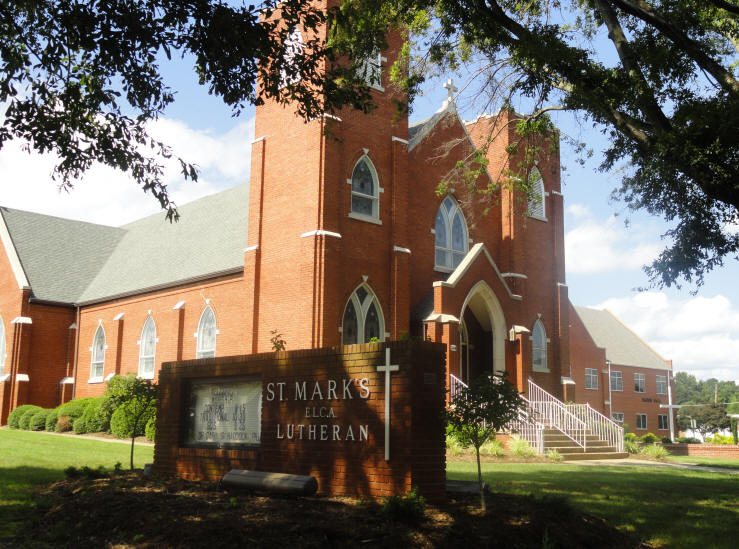
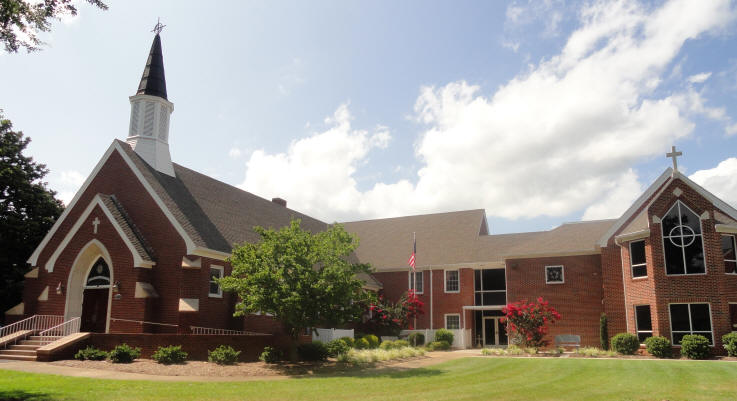
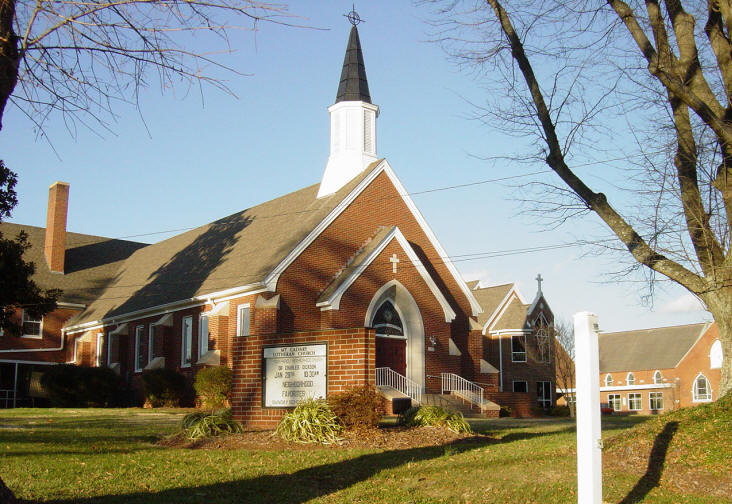
Churches on Main Street


St. Mark's Lutheran Church


Mt. Calvary Lutheran Church


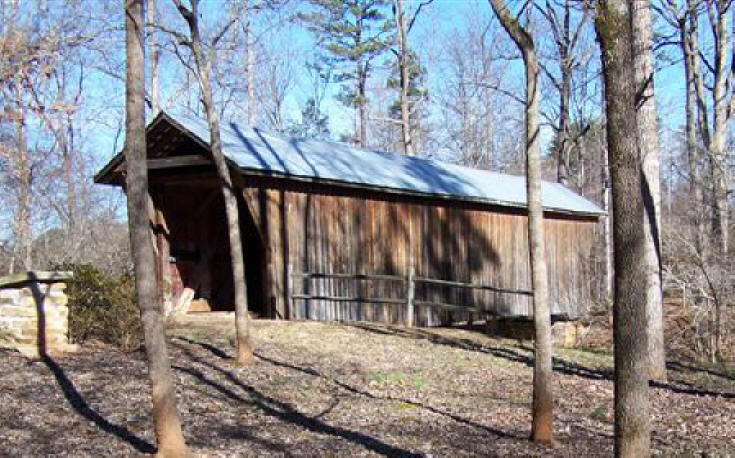
Bunker Hill Covered Bridge 1895

 
The Bunker Hill Covered Bridge is one of only two original remaining covered bridges in North Carolina, the other being Mt. Pisgah in Randolph County, the Bunker Hill Covered Bridge was built in 1895 by Andy L. Ramsour. Catawba County Commissioners in 1894 had called on nearby owners of Bunker Hill Farm to build and maintain a bridge that would cross Lyle’s Creek on the old Island Ford Road, a former Native American trail. The landowners hired Ramsour, keeper of the Horseford covered bridge that spanned the Catawba River north of Hickory. He likely found Haupt’s design in a popular book on bridge building.
 
Originally constructed as an open span, the Bunker Hill Covered Bridge, whose roof is ninety-one feet long, was covered in 1900. In 1921 its wooden shingles were replaced with a tin roof. (Bridges were covered to protect their timbers from the elements; travelers enjoyed a reprieve from rain and snow only as a consequence.) Bolick Family members donated the bridge in 1985 to the Catawba County Historical Association, which restored it in 1994 with the expertise of Arnold M. Graton, a master bridgewright from Ashland, New Hampshire.


SOURCES


"Claremont", Observer News Enterprise